Mlima wa Mungu – The Mountain of God
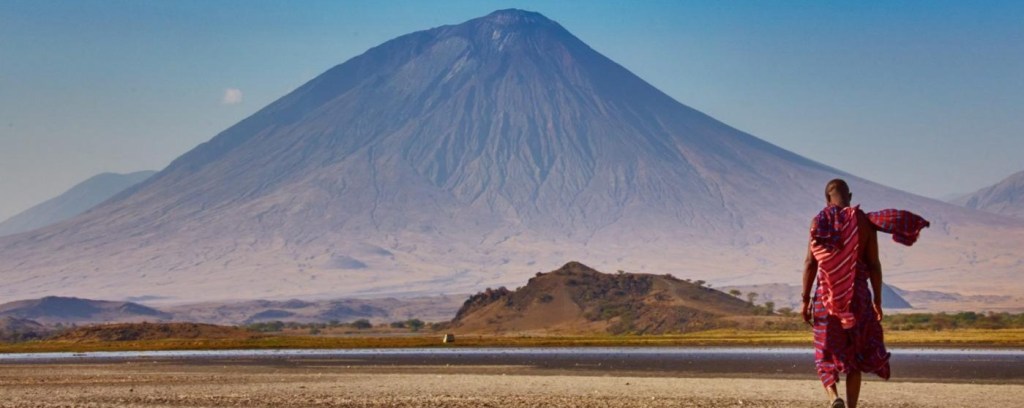
Rising dramatically from the floor of the Great Rift Valley, Ol Doinyo Lengai reaches 2,962 metres above sea level. To the Maasai Ol Doinyo Lengai, the Mountain of God, is a sacred site and the earthly home of their supreme deity, Eng’ai. A place that has stood at the heart of their spiritual traditions for generations.
Elders and prctitioners make their own sacred pilgrimages to the mountain to pray for rain, fertility and healthy livestock, viewing eruptions as direct communications from God. Climbing is strictly managed through local villages and requires hiring Maasai guides, this ensures visitors traverse the sacred ground respectfully, follow safety protocols and contribute directly to the local economy.
Maasai guides share insights about their tribal history and traditions during the ascent, framing the trek as an opportunity for mutual understanding rather than simple recreation. Because the volcano is an active, living religious site rather than a standard tourist attraction, the local community maintains a cautious and respectful relationship with those who climb it.
Climbing Ol Doinyo Lengai is an experience unlike a conventional mountain hike. The ascent begins in darkness, often beneath a moonlit sky, as you make your way slowly up the steep volcanic slopes. There is something deeply atmospheric about climbing through the night towards the summit, knowing that this is a mountain regarded as sacred by the Maasai.
The climb is demanding. The slopes are steep, loose and unstable, with volcanic ash and rock underfoot and sections requiring considerable scrambling, and if going up is hard, coming down is even more difficult. Ol Doinyo Lengai is one of East Africa’s most challenging one-day climbs and is not suitable for inexperienced or poorly prepared hikers.
But the effort is rewarded at the summit.
As dawn breaks, the first light spreads across the Great Rift Valley below, revealing a landscape of extraordinary scale. From the summit, you can look directly into the volcano’s caldera and, on a clear morning, see the distant peaks of Mount Meru and Mount Kilimanjaro rising above the horizon to the east.
It is a sunrise that is difficult to describe — and even harder to forget.
Climb Details & Facts
Start:
The journey to the mountain begins in the early hours, with the drive to the base followed by the ascent in darkness. The aim is to reach the summit around sunrise, allowing time to experience the caldera and the views before beginning the descent.
Elevation:
2,962 metres above sea level, rising dramatically from the floor of the Rift Valley.
Duration:
Allow approximately 8–12 hours for the complete climb, depending on fitness, conditions and the pace of the group.
Timing:
The ascent begins around midnight or in the very early hours of the morning. Starting in darkness helps avoid the intense daytime heat and means the most demanding part of the climb is completed before the sun becomes too strong.
Terrain:
Very steep volcanic terrain, with loose ash, scree and unstable rock. Some sections involve strenuous scrambling and may require the use of both hands and feet.
Guide:
A local guide is essential for the climb. The mountain is a challenging and potentially hazardous environment, so following your guide’s instructions throughout the ascent is essential.
What to Wear & Take
Ol Doinyo Lengai presents some unusual challenges. The climb begins during the cold, dark hours of the night, while temperatures can rise considerably once the sun comes up. The volcanic ash and loose scree can also make the steep descent particularly demanding. The key is to dress in lightweight, adaptable layers and protect yourself from both the cold and the sun.
Clothing & Footwear
Hiking boots
Wear well-broken-in hiking boots with good ankle support and deep, grippy treads. The steep volcanic slopes are covered in loose ash and scree, which can be extremely slippery.
Hiking trousers
Wear tough, comfortable hiking trousers rather than jeans. Zip-off trousers can be useful as temperatures rise. Leggings worn underneath can provide additional warmth and protection, particularly during the descent when you may find yourself sliding through loose volcanic ash.
Moisture-wicking base layer
A synthetic or polyester long-sleeved shirt will help move moisture away from your skin while providing protection from the cold during the ascent.
Warm layers
Bring a warm fleece or lightweight insulated jacket for the colder hours and the summit. A windproof or waterproof outer layer is also recommended, as the summit can be exposed and windy.
Gloves
Two pairs are useful: a sturdy pair with good grip for scrambling over rock and loose terrain, and a warmer pair for the colder conditions around the summit.
Headwear
Bring a warm hat or beanie for the night-time ascent, together with a sun hat for the descent. Sunglasses are essential once the sun is up.
Waterproof trousers
Useful as an additional windproof layer and for protection from volcanic ash and changing weather conditions.
Socks
The combination of steep, loose volcanic terrain, long hours on your feet and significant changes in temperature makes good foot care particularly important. Three pairs of socks are recommended.
Pairs 1 & 2 — the double-layer system
For the ascent, wearing a thin moisture-wicking liner sock underneath a thicker hiking sock can help reduce friction between your feet and your boots. This can be particularly useful on the loose volcanic slopes, where your feet may slide and shift inside your boots with every step.
- Pair 1: Thin, close-fitting moisture-wicking liner sock.
- Pair 2: Thicker hiking sock, such as merino wool or a good synthetic hiking sock.
The two layers allow some of the friction to occur between the socks rather than directly against the skin, helping to reduce the risk of blisters while also providing additional warmth during the colder part of the climb.
Pair 3 — keep it dry
Keep your third pair clean and dry in your backpack. The descent through loose volcanic ash can leave your boots and socks covered in dust, so having a fresh pair available can make the final stages of the journey much more comfortable.
Essential Equipment
- Head torch, with spare batteries
- Buff or lightweight neck gaiter, to protect your face and neck from volcanic dust
- Walking poles, if you are comfortable using them; they may not be practical on the steepest scrambling sections
- Gaiters, particularly if wearing low-cut hiking shoes, to keep volcanic ash and small stones out of your footwear
- Water bottles or hydration system, with capacity for at least 3 litres of water
- High-energy snacks for the climb
- Small, comfortable backpack
- Sunscreen and lip balm
- Sunglasses
- Personal medication and essential items
A Final Tip
Keep anything you need during the ascent easily accessible in your backpack, and protect spare clothing, socks and other important items from volcanic dust by placing them inside waterproof or sealable bags.

